


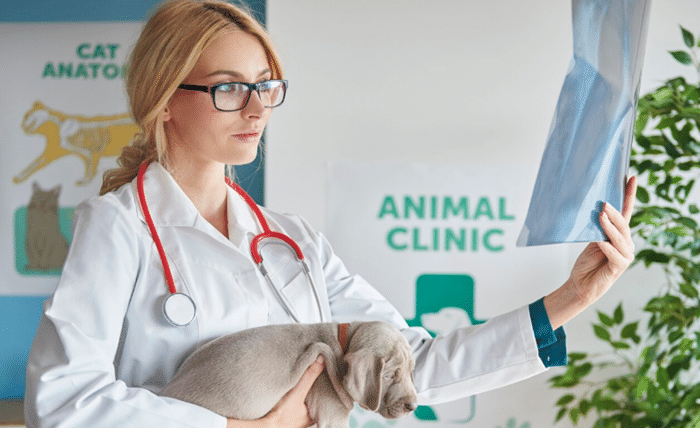
You know your animal better than anyone, and a trusted veterinarian in Pembroke Pines, FL understands how important those subtle changes can be. You notice the smaller appetite, the extra nap, the cough that sounds a little off, the change in mood that does not look dramatic enough to count as an emergency but does not feel normal either. That in between space is where a lot of worry lives, and it is also where early disease detection often begins.
Why Animal Hospitals Are Vital To Early Disease Detection comes down to one simple truth. Small signs can point to bigger problems, and an animal hospital has the training, tools, and testing to catch those problems before they become harder and more expensive to treat. Early diagnosis in pets and livestock can protect the animal in front of you, other animals nearby, and in some cases, people too.
Animal hospitals catch subtle disease signs before they turn serious
Animals do not explain pain, nausea, weakness, or breathing trouble. Many hide symptoms until they are quite sick. By the time a pet stops eating for more than a day or a farm animal isolates from the herd, the illness may already be moving fast. That is why routine exams and prompt visits matter so much.
An animal hospital does more than react to obvious illness. It compares weight trends, temperature, heart rate, hydration, gum color, mobility, skin condition, stool changes, and behavior patterns. One sign alone may not say much. Several small changes together can point toward infection, dental disease, kidney trouble, parasites, endocrine disorders, respiratory disease, or something contagious.
This is where early disease detection at animal hospitals changes the outcome. A simple blood panel, fecal test, imaging study, or skin exam can identify a condition while treatment is still more straightforward. That often means less suffering for the animal and fewer surprise costs for you.
Delayed care raises the emotional and financial cost
Waiting is understandable. You may hope your animal just ate something odd, picked up a mild bug, or needs rest. A lot of owners have had that thought, especially when symptoms come and go. The problem is that many diseases look mild at first. Urinary issues can look like restlessness. Heart disease can look like tiredness. Tick borne illness can look like stiffness or low energy. Respiratory infections can start as a soft cough and spread before anyone realizes what is happening.
Once a disease advances, care often gets harder. Treatment may require hospitalization, repeated testing, isolation, surgery, or long term medication. In group settings such as farms, boarding facilities, shelters, and multi pet homes, one missed case can expose other animals. The USDA APHIS disease surveillance resources show how monitoring and early reporting help track and control animal disease threats before they spread wider.
There is also the human side. Some diseases can pass between animals and people. The CDC overview of zoonotic diseases explains that infections shared by animals and humans remain a real public health concern. Early veterinary care is not only about one sick pet or one affected herd. It is part of a larger safety net.
Veterinary teams connect individual care with public health
An animal hospital sits at the point where daily care meets disease detection. Veterinarians do not just treat symptoms. They identify patterns, recommend screening, report certain conditions when required, and guide infection control. If your dog has diarrhea after travel, your cat has weight loss with no clear reason, or your livestock show signs of a respiratory outbreak, those details matter.
The CDC veterinary clinical resources reflect how much coordination exists between veterinary medicine, disease monitoring, and prevention. That matters because an early diagnosis can lead to quarantine advice, parasite control, vaccine updates, sanitation steps, or changes in feed and housing before the problem grows.
In plain terms, the importance of animal hospitals for disease detection is not limited to treatment. It includes prevention, containment, and long term health planning.
Early detection through an animal hospital lowers risk and improves outcomes
| Situation | Waiting to See if It Passes | Prompt Animal Hospital Visit |
|---|---|---|
| Mild cough or nasal discharge | Respiratory illness may worsen or spread to other animals | Exam and testing can identify infection early and support isolation if needed |
| Reduced appetite and low energy | Dehydration, organ disease, or infection may progress unnoticed | Bloodwork and physical exam can uncover the cause before severe decline |
| Changes in urination | Blockage or kidney issues may become urgent fast | Urinalysis and imaging can guide treatment before an emergency develops |
| Itching, hair loss, or skin sores | Parasites, allergies, or contagious skin disease may spread | Skin testing can identify the issue and reduce ongoing exposure |
| Routine wellness visit | Hidden disease may stay undetected until symptoms are obvious | Baseline exams help spot subtle changes earlier |
Three steps you can take right away
Track changes as soon as you notice them. Write down when symptoms started, how often they happen, and what changed in eating, drinking, bathroom habits, movement, or behavior. Short videos can help too. Those details give the animal hospital a clearer picture and can speed up diagnosis.
Do not wait for dramatic symptoms. If something feels off for more than a day or two, or sooner for breathing problems, vomiting, urinary trouble, collapse, or sudden pain, schedule a visit. The point of an animal hospital is not only crisis care. It is catching disease before the crisis starts.
Keep up with preventive care. Regular exams, vaccines, parasite prevention, dental checks, and recommended screening tests build a health baseline. That makes it easier to spot what is new, what is progressing, and what needs treatment now.
Early veterinary care protects more than one animal
When you act early, you give your animal a better chance at easier treatment and a smoother recovery. You also reduce the risk of spread, limit avoidable suffering, and make decisions from a place of knowledge instead of panic. That is the real value of timely veterinary care. It turns uncertainty into a plan.
If your animal seems different and you cannot shake the feeling that something is wrong, trust that instinct and contact an animal hospital. Early attention can make all the difference.