


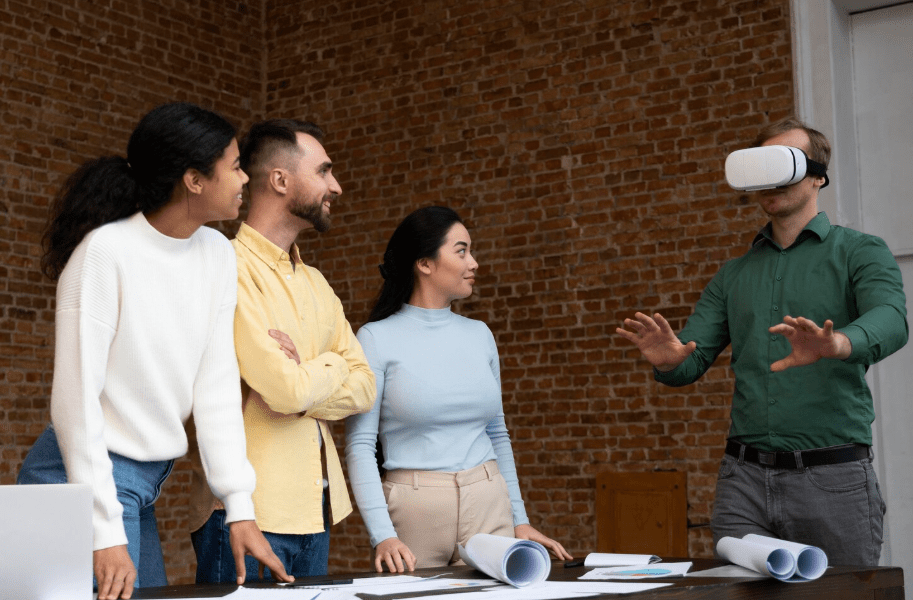
Working together during shared activities requires clear communication with steady attention. Virtual reality creates interactive settings where groups complete objectives through joint effort. Team-based tasks encourage quick responses while helping people understand each other’s actions more effectively. These situations build stronger cooperation through active involvement. Such environments also support an immersive VR experience Houston that encourages meaningful group interaction.
Stronger Communication Skills
Successful group tasks depend on sharing information at the right moment. Members must speak clearly while listening carefully to directions from others. This process reduces confusion while helping everyone remain focused on common objectives. Regular communication during activities creates habits that support better cooperation across different situations.
Shared Objective Awareness
When people work toward one purpose, coordination becomes easier to maintain. Every person understands how individual actions support wider goals. This understanding encourages responsibility while improving overall group performance.
- Clear targets help members stay focused during active missions
- Common direction reduces uncertainty during challenging group activities
- Goal visibility encourages stronger responsibility among every member involved
- Unified purpose supports smoother action throughout cooperative task sequences
- Shared understanding strengthens trust during important mission stages
A clear objective helps groups move forward without unnecessary hesitation. Members can adjust actions according to changing situations while remaining aligned with team priorities. This creates better organization throughout each activity.
Faster Decision Responses
Interactive settings often require quick choices within limited time. Team members learn to assess situations rapidly while considering information from others. This process improves judgment while supporting coordinated responses.
People gradually become more comfortable making decisions under pressure. Group interaction encourages confidence because responsibilities are shared across several individuals. The ability to respond quickly supports stronger performance during demanding scenarios.
An immersive VR experience Houston can encourage these skills by placing groups in situations where timing plays an important role. Participants learn to react efficiently while maintaining awareness of surrounding activity.
Building Trust Together
Trust grows when individuals rely on one another to complete objectives. Every successful action reinforces confidence between members while strengthening group unity. Consistent cooperation encourages positive relationships that support future tasks.
Improved Role Coordination
Organized teamwork often depends on clear role management. Each member contributes specific actions that support overall progress. Understanding responsibilities helps prevent overlap while improving efficiency.
- Defined responsibilities help maintain order during active mission stages
- Individual strengths contribute directly toward successful objective completion
- Organized task distribution reduces confusion across cooperative activities
- Clear role awareness improves timing during important action moments
- Structured participation encourages balanced involvement from every member present
When responsibilities are understood clearly, groups operate with greater consistency. Members know where to focus attention while supporting others when needed. This creates a more connected approach to problem solving.
Adapting To Challenges
Unexpected situations often require quick adjustments from the entire group. Team activities encourage flexibility because conditions can change without warning. Members learn to evaluate new information while modifying actions accordingly.
Adaptability supports coordination because everyone must remain aware of changing circumstances. Groups that adjust effectively are better prepared to maintain progress toward objectives. This skill becomes stronger through repeated participation in cooperative tasks.
Groups that communicate clearly, understand common goals, trust each other, manage responsibilities effectively, respond quickly, and adjust when needed often achieve stronger results. Virtual reality settings create opportunities for these qualities to develop through active participation. By practicing cooperation within engaging mission scenarios, individuals can strengthen teamwork skills that support smoother coordination during future group activities.
FAQs
How do team activities support stronger communication during missions?
Clear exchanges improve understanding while reducing confusion among members.
Why does trust grow faster during cooperative mission challenges?
Shared objectives encourage reliance while strengthening confidence between members.
Can coordination improve through repeated virtual reality mission sessions?
Regular practice develops teamwork skills while improving group organization.